The Blue Communities project is a youth-focused initiative designed to address the growing issue of water scarcity driven by climate change in Italy. Launched on January 1, 2023, the project aims to mobilize young people, aged 14 to 30, to establish “Blue Communities”—territorial networks comprising schools, institutions, citizens, and civil society organizations. These collaborative networks are dedicated to reducing both direct and indirect water consumption through awareness campaigns, educational programs, and the promotion of sustainable practices. Coordinated by CeVI and co-financed by the Italian Agency for Development Cooperation, the initiative operates across seven Italian regions, emphasizing water as a fundamental human right and a common good. Core activities include non-formal educational paths in schools, teacher training courses, public events, and the promotion of agroecology as a model for responsible water resource management.
Project Overview
Mission and Objectives
The central mission of the Blue Communities project is to foster and support youth mobilization for the creation of territorial networks dedicated to water conservation. The initiative responds directly to the escalating threat of water scarcity.
The primary objectives are:
- Create Blue Communities: Establish local networks of diverse stakeholders (schools, institutions, citizens, CSOs, water managers, local administrations, economic operators) that actively collaborate on water-related issues.
- Reduce Water Consumption: Promote the adoption of concrete behaviors and sustainable lifestyles to decrease both direct and indirect water usage.
- Raise Awareness: Inform and sensitize young people and the broader community about climate change, its impact on water resources, and the importance of conservation.
- Empower Youth: Support and guide young people to become “animators and promoters” of Blue Communities, enabling them to lead change within their peer groups and local areas.
- Build a “Community of Communities”: Foster interaction and collaboration between the various territorial networks, recognizing that water scarcity and climate change are global challenges.
Core Principles
The project is founded on the philosophical and practical belief that water is a critical shared resource. Key principles include:
- Water as a Common Good: Treating water as a collective resource to be managed responsibly for the benefit of all.
- Water as a Human Right: Upholding the fundamental right of every person to access clean water. This was a central theme of the event held on World Human Rights Day.
- Resilience and Regeneration: Aiming to create regenerative and resilient territories where water management is central to a sustainable and equitable future.
Timeline and Geographic Scope
- Project Start Date: January 1, 2023.
- Geographic Focus: The project targets seven regions in Italy:
- Piemonte
- Veneto
- Friuli Venezia Giulia
- Emilia Romagna
- Toscana
- Lazio
- Sicilia
Coordination and Funding
- Coordinating Body: CeVI – Centro di Volontariato Internazionale.
- Funding Partner: The project is co-financed by the Agenzia Italiana per la Cooperazione allo sviluppo (Italian Agency for Development Cooperation).
Key Stakeholders and Beneficiaries
Partner Organizations
The project is a collaborative effort involving numerous partner organizations from civil society, academia, and the benefit corporation sector: CeVi – Centro di Volontariato Internazionale, Acquifera APS, AWorld società benefit, Cittadinanzattiva APS, Coordinamento Agende 21 locali italiane CA21L, Fondazione La Locomotiva onlus, Gruppo Missioni Africa GMA, H4O Help for Optimism, Navdanya International, People Help the People APS, Solidarietà e Cooperazione CIPSI, DPIA dell’Università di Udine.
Target Demographics and Beneficiaries
The initiative is designed to engage a wide range of community members, with a primary focus on youth.
- Primary Target Group: Young people aged 14 to 30.
- Direct Beneficiaries:
- Teachers, students (and their families) of first-grade secondary schools (middle school).
- Teachers, students (and their families) of second-grade secondary schools (high school).
- University students.
- Participating local authorities.
- The general citizenry.
- Other Involved Actors:
- The entire “educating community,” including teachers and educators.
- Key territorial stakeholders in water management, such as water managers, trade associations, and third-sector entities.
Core Activities and Initiatives
Community Network Building
The project’s foundation is the creation of strongly-rooted local networks that undertake information and awareness activities. These communities work to promote and adopt tangible behaviors for direct and indirect water conservation, while also interacting with each other to address the global scale of water and climate challenges.
Educational Programs
For Students:
- Non-Formal Education: Educational paths in schools are designed to inform, train, and sensitize students, promoting virtuous and sustainable water consumption habits. The methodology integrates classroom activities with hands-on laboratory work and outdoor experiences to connect students with their local territory.
- Work-Based Learning: The project offers opportunities for high school students to participate in PCTO (Percorsi per le Competenze Trasversali e per l’Orientamento) and for university students to undertake formative internships.
- Journalistic Inquiry Project: A specific proposal for three high school classes involves creating a journalistic inquiry. This includes:
- Introductory Workshops: Covering the water heritage and biodiversity of local lakes (Bracciano, Martignano, Vico) and providing guidelines for journalistic investigation.
- Field Visits: Each class visits local organic farms to explore the relationship between agriculture and water resources, gathering interviews and content for their inquiry.
For Teachers:
- Teacher Training Course (2023-2024): A comprehensive training program for secondary school teachers was established to enhance their knowledge of climate change, its impact on water resources, and methods for reducing consumption. The program includes:
- Online Course: An online course composed of four distinct modules:
- The Right to Water: Global and Local Situations
- Issues Impacting Water
- Good Practices: How to Foster Positive Impacts
- Useful Tools for the Teacher
- In-Person Workshop: A practical, hands-on workshop to supplement the online learning.
- Online Course: An online course composed of four distinct modules:
Public Engagement and Events
- National Event: “BLUE COMMUNITIES. Verso la pace e la giustizia idrica” (Towards peace and water justice) was held in Florence on December 10 (World Human Rights Day). This event featured prominent guests, including Blue Communities founder Maude Barlow, and served as the fourth edition of the “International Platform for a correct management of groundwater resources.” The event also honored winning school classes from Florence, Torino, and Bracciano in the “Accelerate Change” competition.
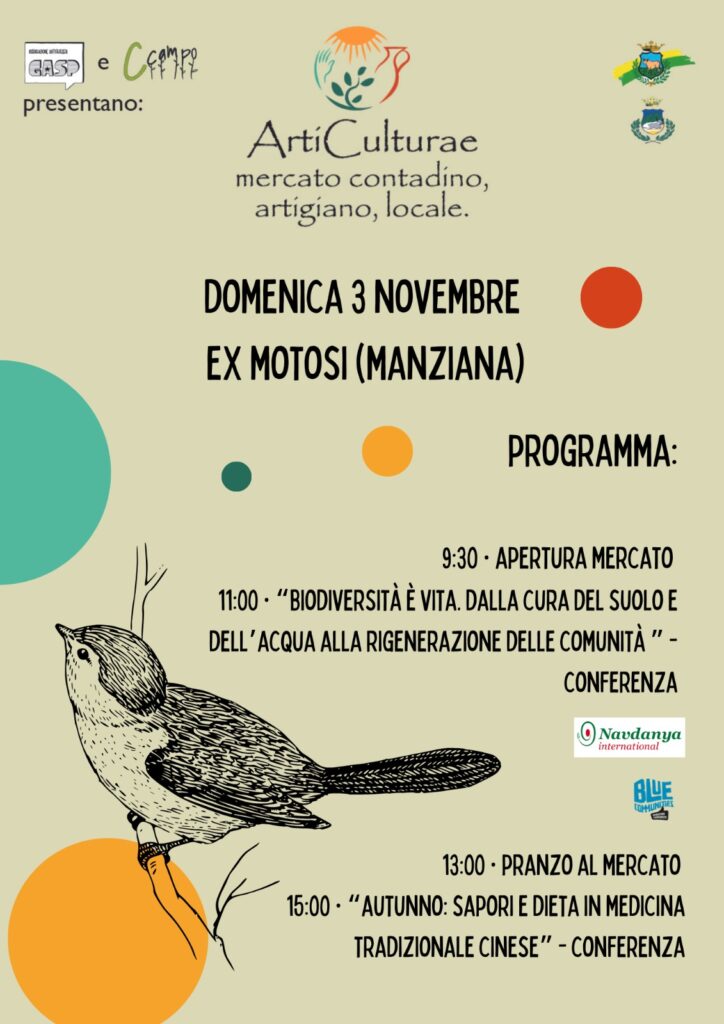
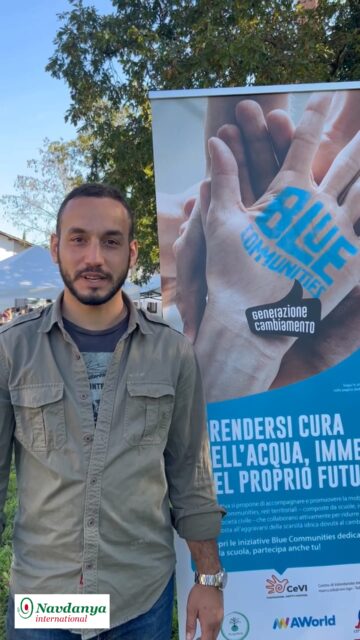
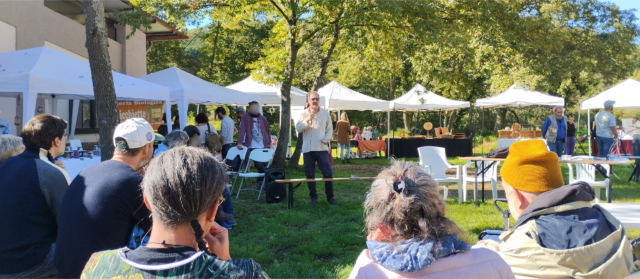
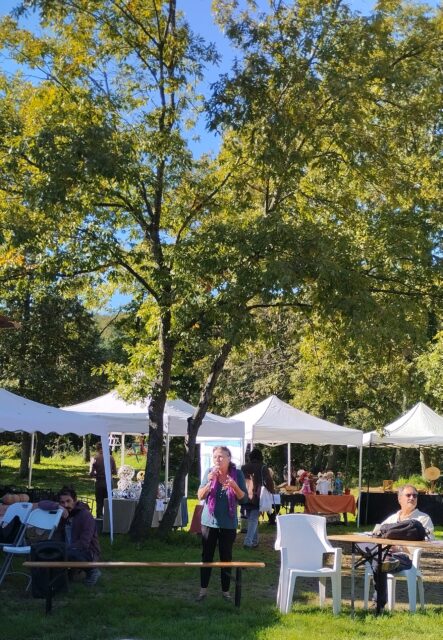
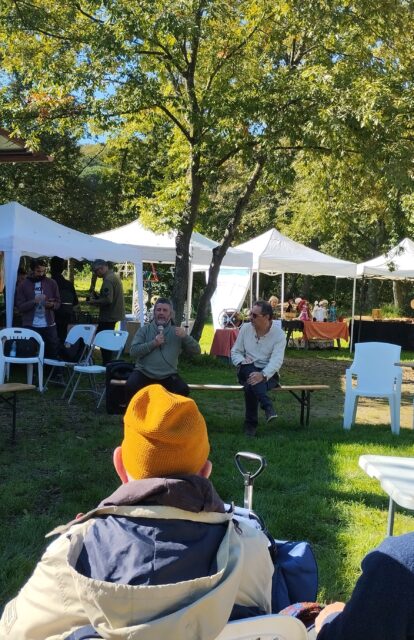
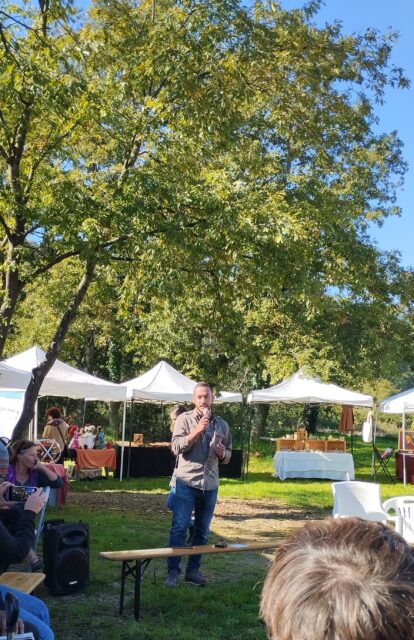
- Local Event: “Biodiversità è Vita” (Biodiversity is Life) took place on November 3, 2024, in Manziana. The conference focused on agroecology, sustainable production, and building conscious ecological communities, with a presentation of the Blue Communities project.
- Concluding Project Event: An event titled “Creare un territorio rigenerativo e resiliente” (Creating a regenerative and resilient territory) will mark the project’s conclusion. It will focus on water management for territorial resilience, the role of agroecology, and the presentation of thematic reports developed during the project.
- World Water Day: The project organized and promoted national events for World Water Day on March 22, 2024.
Civic Consultation
To engage the wider public, the project launched a “Consultazione Civica” (Civic Consultation). This is an online survey designed to investigate citizens’ habits, behaviors, and level of trust concerning water use and consumption. The anonymous form takes approximately 10 minutes to complete and aims to gather valuable community insights.
Thematic Focus Areas
Youth Mobilization as a Core Strategy
The project explicitly positions young people as the primary agents of change. They are supported and mentored to become “animators and promoters” of Blue Communities, tasked with spreading awareness and sustainable practices among their peers and throughout their communities.
Agroecology and Water Management
A recurring theme, particularly in public events, is the critical link between agroecology and the protection of water resources. The project presents sustainable agricultural practices as a responsible model and a key solution for safeguarding water. Field visits to organic farms are integrated into the educational curriculum to demonstrate this connection in practice.
Water as a Fundamental Human Right
The project strongly advocates for the recognition of water as a public good and a basic human right. This principle was the centerpiece of the national event in Florence on World Human Rights Day, which aimed to give concrete meaning to this right.
Key Quotes and Statements
The foundational philosophy of the Blue Communities movement is captured in the words of its founder, Maude Barlow, spoken at the Florence event:
“Water is the most important human right and public good. It must be defended with hope and determination, and with the awareness that the rights of man and nature go hand in hand. Let’s make the world think blue, one city, one country, one community, one school, one person at a time.”

–