

Within the program Caring for the Earth, Caring for Life, developed by Navdanya International, young people took center stage in a journey of exploration around the themes of food, biodiversity, animal well-being, and climate change. From the very first meeting, the program was designed as a participatory space, where students’ interests, experiences, and personal stories guided the collective direction of the work.
Through discussion, students brought forward concrete questions and reflections: Where does our food come from? How is it produced? What are living conditions like for the animals we depend on? How well do we really know the land we inhabit, and what impact do our everyday choices have on the environment and our health? Many expressed a strong desire to better understand the origin and quality of food, the connections between production, animal welfare, and ecological impacts, as well as a deep concern for protecting local ecosystems.
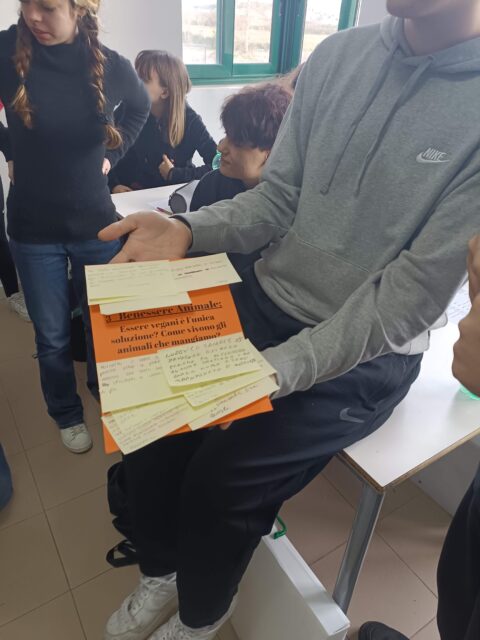
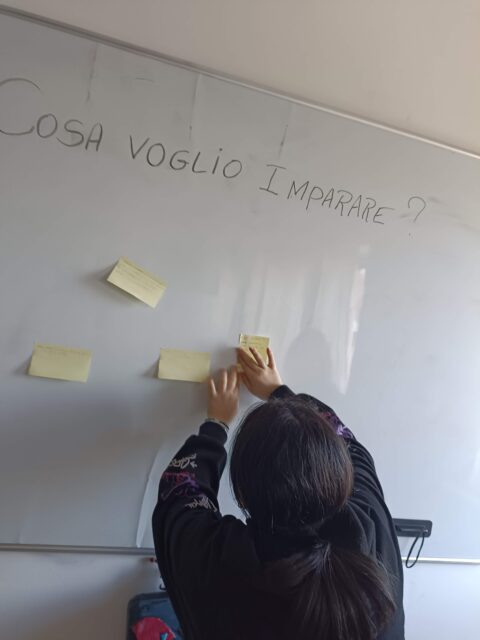
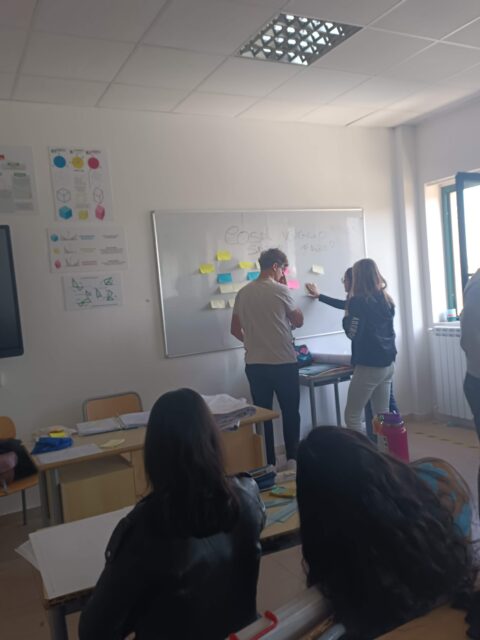
Participation was particularly meaningful: students spoke up spontaneously, showed strong skills in reasoning and dialogue, and were emotionally engaged with themes such as eco-anxiety, biodiversity, and individual responsibility. In several classes, the discussions led to choosing animal welfare and food production as the central focus, then breaking this down into sub-topics such as types of farming systems, care for animals, and the relationship between production methods and food quality.
A clear desire emerged to seek more information, change habits, and become more aware of what they consume and of their relationship with the local territory. It is a journey that begins from young people’s questions and lived experiences, placing at its heart the connections between food, environment, and society, and building together new forms of awareness and a shared sense of responsibility towards the future.